418 East Jefferson Street Charlottesville, VA 22902
 Calendar
 Apply
Apply Give
Give
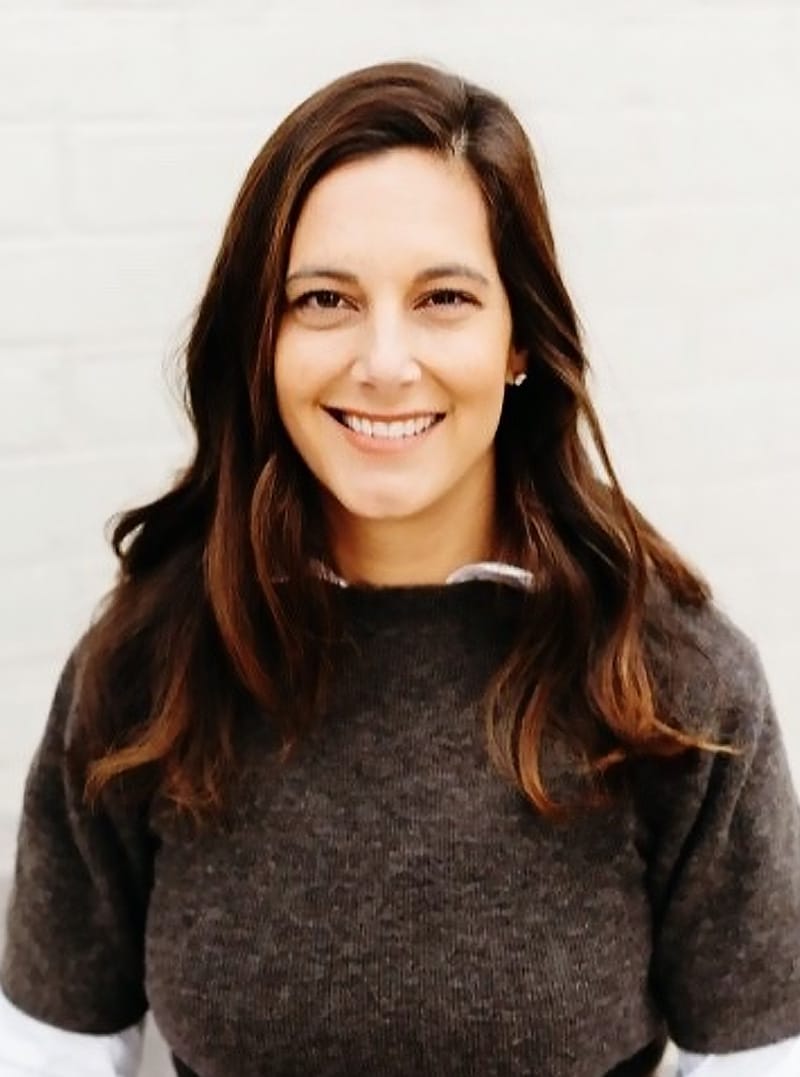
Anita McGinty
I am a fundamental believer in all people’s capacity to learn, grow, and evolve. My early career, as a speech-language pathologist, was spent drawing out the academic potential of children with severe communication and reading difficulties. After pursuing my Ph.D. in Educational Psychology, I spent a decade designing, implementing and/or researching programs that could improve the way children were taught and supported on a daily basis.
My work brought me in contact with thousands of schools collectively educating millions of children, from rural Appalachia to thriving urban hubs. And while I met many amazing individuals, it became clear that education- as experience – was varied and inequitable, leaving many children’s potential unseen and underdeveloped.
As imperfect as this system was, it has been further stretched (potentially unrecognizably so) in the wake of COVID-19. It feels that there is no longer time for incremental steps forward. I hear a call for new paradigms and new thinking among the educators, parents, social organizations, and community organizations whom I serve. One of the most critical questions being raised is how to build wellbeing and resilience into the education system, while also improving children’s academic outcomes.
The question is larger than the education system and my recent consulting has allowed me to learn from a range of efforts focused on wellbeing- from adolescent education to prison-based mental health to drug rehabilitation. Much of what is innovative sits within the wisdom and craft of experienced practitioners. To bring this knowledge to the forefront of the conversation on wellbeing, research must be done. To ensure that these innovations reach all parts of society, including the most vulnerable and marginalized, research must be done. Without an evidence-base, innovative ideas will languish outside the public systems, reaching only those able to seek these ideas themselves.
This past year’s work has given rise to my becoming a co-founder of Innate Health Research (IHR). IHR is designed to fill that gap between what is happening in relation to wellbeing work in ad hoc ways- one community at a time and one practitioner at a time- and what is needed to make a more systematic transformation. The work is an exciting blend of my past professional experiences and my personal passions and I am grateful to the wellspring of partnerships and supporters helping to make Innate Health Research a reality.